When cannabis based products for medicinal use were rescheduled in 2018, they entered a healthcare system built around licensed, mass produced medicines. Yet most of these products are unlicensed, prepared for individual patients rather than approved for general use. That distinction creates a supply chain quite unlike the one behind a typical prescription drug. Understanding how these medicines are made, imported, regulated and finally dispensed reveals a system that is more controlled, and more traceable, than many people assume.
Two Routes: Licensed and Unlicensed
There are essentially two pathways. A handful of cannabis derived medicines hold full marketing authorisation from the regulator, having passed formal assessment for safety, efficacy and quality. Once licensed, they move through the supply chain like any other authorised medicine.
The far larger share are unlicensed specials. These are specially manufactured or imported for a named patient where a licensed product cannot meet a genuine clinical need. They are entirely legal, but because they have not gone through full marketing authorisation, the responsibility for quality and traceability rests on a documented chain of accountable parties rather than a single regulatory approval.
How an Unlicensed Special Reaches a Patient
The journey begins with a prescription. Only a specialist clinician on the relevant register can initiate one, and most patients reach that point through dedicated private services. A Releaf cannabis clinic consultation, for example, involves a specialist assessing whether a person meets the criteria and, where appropriate, issuing a prescription that sets the rest of the chain in motion.
From there, the product is sourced from an authorised manufacturer or importer, supplied to a dispensing pharmacy, and provided to the patient. At each step, documentation must confirm the special clinical need and the legitimacy of the supply. This audit trail is what allows an unlicensed product to be handled lawfully and safely.

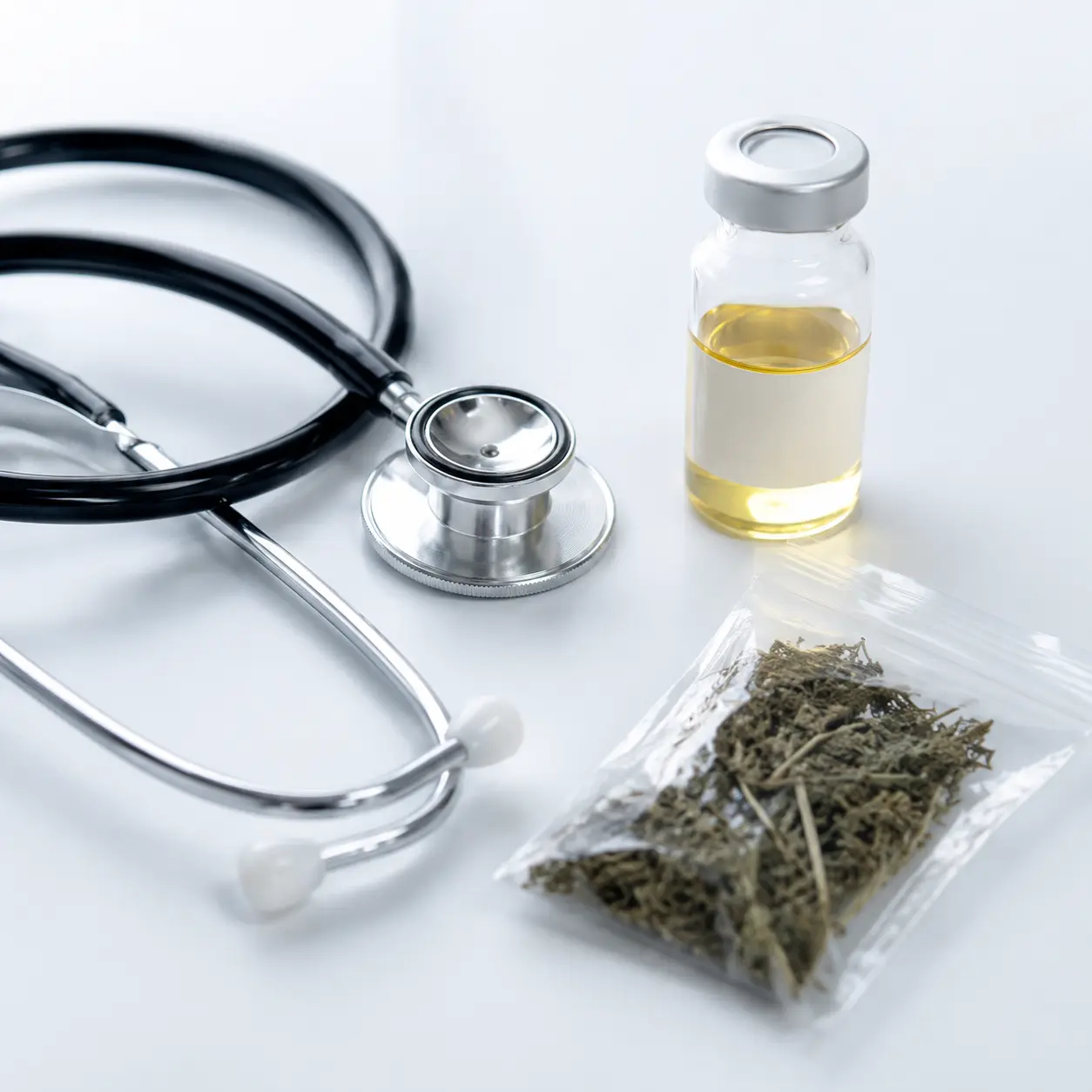
The Standards Behind the Supply Chain
Although these products are unlicensed, they are far from unregulated. Manufacturers and importers must hold the appropriate authorisation, and products are expected to be made under recognised quality standards. Good Manufacturing Practice governs how a product is produced, while cultivation is expected to follow Good Agricultural and Collection Practice. Many products are also held to the relevant standards of the British Pharmacopoeia.
These layers matter because they underpin consistency. A prescribed product should contain what its label states, batch after batch, which is precisely what distinguishes a regulated medicine from material of unknown origin. The traceability built into the chain is a feature, not an afterthought.
Where Patients Fit Into the Picture
For patients, this complexity is mostly invisible, and that is by design. What they experience is a consultation, a prescription and a dispensed medicine. Still, understanding that a clear, accountable chain stands behind their treatment can be reassuring. Reliable information on medical cannabis helps people make sense of where their medicine comes from and why the process works the way it does.
That understanding also helps set expectations. Because each prescription is tailored to an individual, this is not a system of off the shelf purchases, but of considered clinical decisions supported by a regulated supply network.
The Role of the Regulator
Oversight ties the system together. The Medicines and Healthcare products Regulatory Agency, through the MHRA, licenses authorised products and sets the rules around the supply of unlicensed specials, including the standards manufacturers and importers must meet. Its guidance defines what a legitimate supply chain looks like.
This framework is what keeps the unlicensed route credible. It ensures that even products without a full licence are sourced, made and supplied in a controlled, documented way, rather than left to chance.
Why Traceability Protects Patients
It is easy to view supply chain detail as dry administration, but for patients it has a very practical meaning. Traceability is what allows a problem to be identified and addressed quickly if one ever arises. If a particular batch needs attention, a documented chain makes it possible to know exactly where a product came from and where it went.
That accountability also discourages corner cutting. When every party in the chain must be authorised and must keep records, there is far less room for substandard material to slip through. The result is a system in which the patient, who sees only the final medicine, benefits from controls operating quietly at every earlier stage.
This is the deeper purpose behind the paperwork. A regulated chain is not bureaucracy for its own sake, but a series of checks that together make a medicine something a clinician and patient can rely on.
A Maturing System
The UK medical cannabis supply chain is still relatively young, and it continues to evolve as evidence grows and guidance is refined. What already exists, though, is a structured pathway that runs from specialist prescriber through regulated manufacture to a dispensing pharmacy, with traceability at every stage.
For professionals and patients alike, the key insight is that legality here goes hand in hand with accountability. This article offers general information rather than regulatory or clinical advice, and the official guidance should always be the definitive reference for anyone working within the system.