Oral morphine sulphate supplied as Oramorph remains a first-line strong opioid when moderate to severe pain does not respond to weaker agents. The immediate release formulation supports fast onset, short duration, and close titration to effect. In the United Kingdom, licensed use focuses on severe pain in cancer and at the end of life, with additional use for short courses in severe acute pain when benefits outweigh risks. The shift in 2025 toward tighter control of opioid exposure highlights the need for clear dosing rules, vigilant review, and strong documentation. This review sets out practical, evidence-aligned guidance for pharmacists and prescribers that integrates British National Formulary direction, National Institute for Health and Care Excellence recommendations, and Medicines and Healthcare products Regulatory Agency updates. The aim is to standardise safe practice, limit preventable harm, and maintain access to effective analgesia for patients who need it.
Pain control with strong opioids requires methodical assessment, transparent goals, and a plan for titration and de-escalation. Oral morphine sulphate can give rapid relief when dosed correctly, yet the same properties heighten risk when renal function is reduced, when interacting medicines are present, or when directions are unclear. The task for clinical teams is to balance fast symptom relief with anticipatory safety steps that keep patients and the public protected. That starts with pharmacology and pharmacokinetics, since dose and frequency decisions follow directly from how the drug moves and acts in the body.
Understanding mechanism and pharmacokinetics builds the foundation for safer dosing
Morphine acts as a potent agonist at the mu opioid receptor located along central and peripheral pain pathways, including the brainstem, thalamus, spinal cord, and primary afferents. Receptor activation lowers cyclic AMP, opens potassium channels, reduces calcium influx, and suppresses release of neurotransmitters that carry nociceptive signals. The same mechanism also drives sedation and respiratory depression at higher exposure. Clinical benefit and risk therefore track overall receptor occupancy and the concentration time profile achieved with each dose.
After oral administration, absorption is reliable, but first-pass metabolism limits systemic exposure. Oral bioavailability commonly falls in the 25 to 40% range and peak plasma levels follow in roughly 60 to 90 minutes. Distribution is wide and protein binding is modest near 20% to 35%. Penetration into the central nervous system is limited by lipophilicity and transport but remains sufficient for analgesia. Placental transfer occurs and low amounts reach breast milk, which requires case by case risk assessment in peripartum care.
Metabolism proceeds mainly by glucuronidation through UGT2B7 to two key metabolites. Morphine-3-glucuronide lacks meaningful analgesic activity and may contribute to neuroexcitatory effects when it accumulates. Morphine-6-glucuronide has potent analgesic activity and contributes to the overall effect after repeated dosing. Renal elimination clears both metabolites and a small proportion of unchanged morphine. The parent half-life sits near 2 to 3 hours, and the active metabolite persists for longer. In reduced kidney function, accumulation of the active metabolite increases the risk of prolonged sedation and respiratory compromise, which is why dose reduction or opioid substitution is often required.
Route of administration changes dose requirements through first pass metabolism
Parenteral dosing avoids first pass extraction and achieves higher exposure per milligram than the oral route. For this reason, parenteral to oral conversion ratios near 1 to 2 or 1 to 3 are widely used. A simple anchor is that 10 mg given by the subcutaneous or intravenous route is broadly equivalent to 20 to 30 mg given orally. When switching route, teams must reduce the calculated parenteral dose appropriately to avoid overdose. Clear documentation of the conversion method and rationale prevents errors during handover.
Adult initiation protocols support cautious starts with fast feedback from rescue dosing
For adults who are opioid naïve, start with conservative doses and review frequently. A practical range is 10 mg to 20 mg every 4 hours as needed for significant pain that weaker opioids cannot control. For patients who are frail or elderly, start lower to reduce early sedation and confusion. A cautious entry range is 2.5 mg to 5 mg every 4 hours as needed with close observation and slower titration.
Patients already on a regular strong opioid need coverage for breakthrough episodes. A widely adopted rule is to set the rescue dose at 10% to 17% of the 24 hour oral morphine equivalent, taken every 2 to 4 hours when needed. The number of rescue doses used in a day is a clinical signal. If a patient needs more than 4 to 6 rescue doses in 24 hours, increase the background opioid rather than chasing pain solely with frequent top-ups. This simple feedback loop keeps background control aligned with real need.
There is no fixed maximum dose in palliative care. Dose should rise only when a clear pain target is not met and the patient tolerates the current regimen. Many services seek specialist review once the total daily oral morphine equivalent exceeds 120 mg, since higher exposure increases the probability of adverse effects and complex interactions. Opioid stewardship requires early involvement of senior pharmacists and palliative care teams when dose escalates quickly or when multimorbidity complicates decision-making.
Paediatric dosing requires precise weight based calculations and specialist oversight
Children have narrower therapeutic margins for opioids and are more susceptible to respiratory depression. Doses must be checked by two professionals and measured with appropriate devices. For infants 1 to 12 months the dose range is 80 to 200 micrograms per kg every 4 hours. For children 1 to 5 years a common fixed starting dose is 5 mg every 4 hours, which corresponds to 200 to 400 micrograms per kg every 4 hours in weight-based terms. For ages 6 to 12 years, the starting range is 5 to 10 mg every 4 hours. For ages 13 to 18 years, the range is 5 to 20 mg every 4 hours. Many services apply indicative daily limits such as 30 mg in early childhood, 60 mg in later childhood, and 120 mg in adolescence, always subject to specialist review and clinical context. Specialist paediatric palliative care support is essential for neonates, all infants, and any complex case.
Organ impairment changes exposure and demands pre planned dose reduction and monitoring
Renal impairment is the highest risk scenario because the active metabolite clears through the kidney. When estimated glomerular filtration rate is between 20 and 50 ml per min, reduce each dose by at least 25 percent and maintain 4 hourly intervals initially with close review. When estimated glomerular filtration rate is less than 30 ml per min, avoid morphine if possible. If no alternative is suitable, reduce each dose by 50 percent or more and extend the interval to 6 or 8 hours under specialist supervision. Consider alfentanil as first choice in severe renal failure since it lacks active renally cleared metabolites, with fentanyl as another option in selected cases.
Hepatic impairment reduces first pass extraction and slows metabolism, which can raise exposure after each oral dose. In moderate liver disease, start at lower doses and titrate slowly with frequent review for toxicity. In severe disease, reduce both dose and frequency and seek specialist advice. Oxycodone is generally unsuitable in moderate to severe hepatic disease due to reduced clearance and higher risk of accumulation. Buprenorphine or fentanyl may be considered depending on clinical need and service protocols.
Dose adjustments for oral morphine in organ impairment
| Level of impairment | Recommended dose change | Recommended frequency change | Preferred alternatives |
| Renal impairment with estimated glomerular filtration rate 20 to 50 ml per min | Reduce dose by at least 25 percent | Maintain 4 hourly then review | Oxycodone with caution |
| Renal impairment with estimated glomerular filtration rate less than 30 ml per min | Reduce dose by 50 percent or more and avoid if possible | Extend to 6 or 8 hours or longer | Alfentanil first line, fentanyl as option |
| Hepatic impairment moderate | Lower starting dose with slow titration | Maintain 4 hourly then review toxicity signs | Buprenorphine or fentanyl |
| Hepatic impairment severe | Lower dose and longer interval with specialist input | Extend the interval based on response | Buprenorphine or fentanyl |
Equianalgesic conversion supports safe opioid rotation when benefit outweighs risk
Switching between opioids can improve tolerability or simplify delivery. Conversion tables are guides not absolutes. After calculating the equivalent, reduce the result by 25 to 50 percent to account for incomplete cross tolerance, then provide adequate rescue dosing for titration. Monitor pain scores, alertness, respiratory rate, and bowel function during the first 48 to 72 hours after any switch.
Practical equianalgesic anchors for clinical reference
| From opioid and daily dose | To opioid and daily dose | Usual ratio | Clinical note |
| 30 mg oral morphine | 15 mg subcutaneous morphine | 2 to 1 | Standard oral to subcutaneous anchor |
| 30 mg oral morphine | 10 mg subcutaneous diamorphine | 3 to 1 | Greater solubility supports smaller injection volumes |
| 30 mg oral morphine | 15 to 20 mg oral oxycodone | 2 to 1 up to 1.5 to 1 | Choose conservative 2 to 1 when initiating |
| 60 mg oral morphine | approximately 25 micrograms per hour transdermal fentanyl | near 150 to 1 when expressed as mg to microgram per hour | Use only for stable pain since onset is slow |
| 30 mg oral morphine | 4 mg oral hydromorphone | near 7.5 to 1 | Seek specialist advice for hydromorphone conversions |
Short term acute pain use requires tight time limits and clear stop dates
A 2025 regulatory change removed the indication for modified release opioids in post operative pain. That policy shift reflects evidence linking prolonged exposure with persistent use and ventilatory impairment. For severe acute pain requiring a strong opioid, use the immediate release oral solution for the shortest practical time at the lowest effective dose. Write a planned stop date such as 3 to 7 days and include clear advice on storage and disposal of any remainder to reduce diversion risk. Provide non opioid analgesics in parallel to lower total opioid dose and accelerate step down.
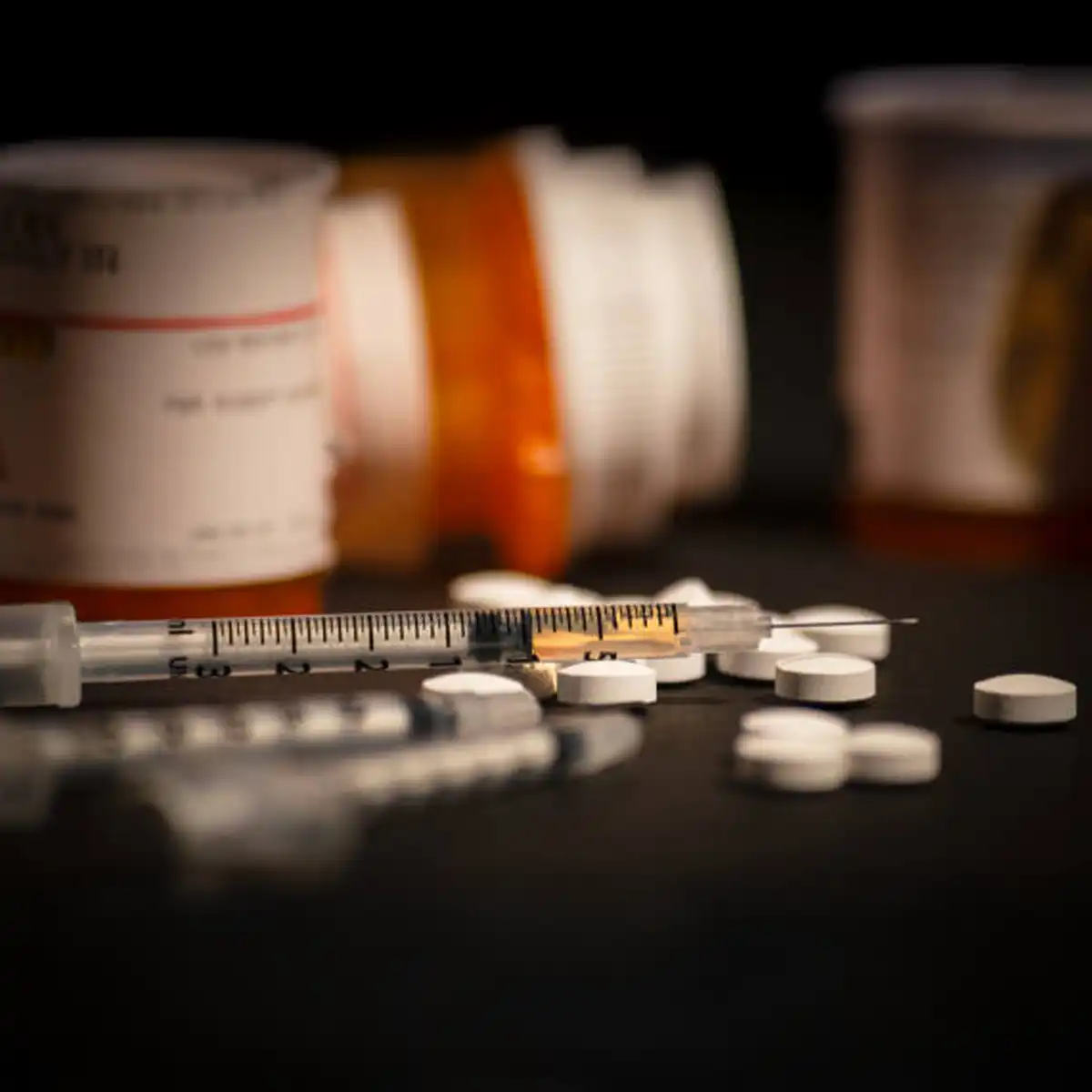
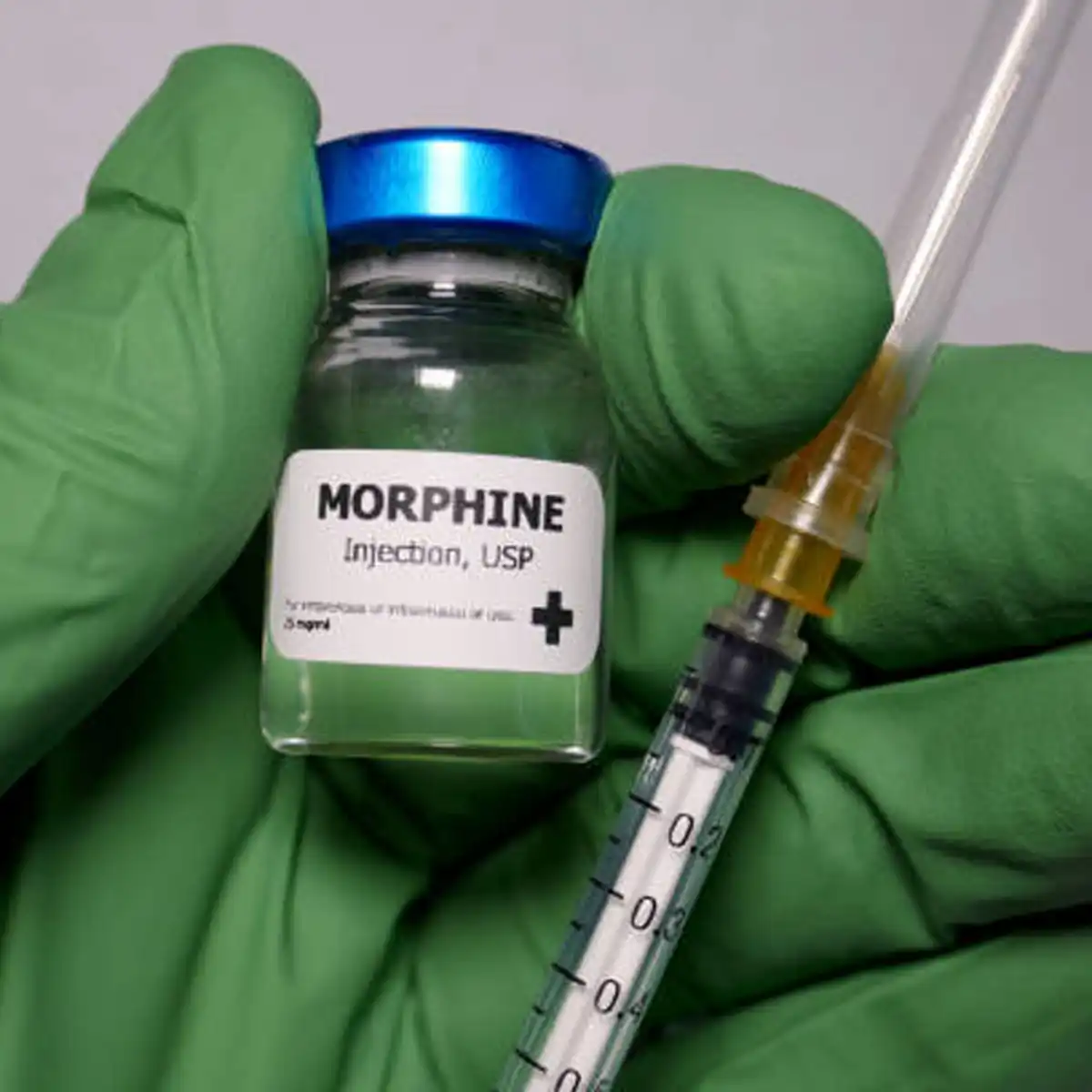
Adverse effects are predictable and should be prevented treated and communicated from the start
Constipation is expected during ongoing opioid therapy. Prescribe stimulant or combined laxatives from day 1 and reinforce hydration and fibre advice tailored to the patient. Nausea and vomiting may occur during initiation or when doses rise. Short courses of antiemetics can help and symptoms usually settle. Sedation, cognitive slowing, and dizziness occur more often in older people and during early titration. Falls risk assessments are relevant in community and inpatient settings.
The most serious acute risk is respiratory depression. Risk rises with dose, with interacting medicines, and with sleep-related breathing disorders. Early signs include pronounced sedation, miosis, and slow respiratory rate. Hold further opioid doses, provide oxygen if indicated, and escalate for observation. Naloxone is reserved for clinically significant depression with careful titration to reverse toxicity without precipitating acute pain or withdrawal. Central sleep apnoea, hypotension, and rare severe cutaneous reactions such as acute generalised exanthematous pustulosis are documented and require prompt recognition and reporting.
Interactions that increase central nervous system depression must be avoided or tightly controlled
Concurrent use with benzodiazepines, Z drugs, gabapentinoids, alcohol, or other opioids raises the probability of profound sedation, respiratory depression, coma, and death. Avoid these combinations where possible. If co prescribing is unavoidable, use the lowest effective doses, set clear monitoring plans, and document the justification. Counsel patients and carers in plain language about signs of overdose and when to seek help. Enzyme interactions are less prominent for morphine than for some other opioids, yet additive central effects remain the dominant concern in practice.
Controlled drug law and professional standards create a framework for safe supply and accountability
Morphine sulphate is a Schedule 2 controlled drug under United Kingdom law. Prescriptions must meet strict content rules that include the patient name and address, the dose, the total quantity written in words and figures, the date, and the prescriber's signature. Community prescriptions are valid for 28 days from the date of issue. Quantities should be limited to pragmatic amounts such as 30 days where appropriate to reduce diversion risk.
Pharmacists provide the final independent safety check before supply. Tasks include legal validation of the prescription, clinical assessment of dose and combinations, identity checks at collection, and delivery of counselling on safe use, storage, and disposal. Every receipt and supply must be recorded in a dedicated controlled drug register with prompt indelible entries and a running balance. Registers are retained for 2 years after the final entry. Storage follows the Safe Custody Regulations, which mandate a locked cabinet with controlled access to keys.
Expired pharmacy stock requires denaturing and destruction in the presence of an authorised witness. Patient returned stock can be destroyed by trained staff with an internal witness. Document all destructions and reconcile balances. These steps reduce the pool of unused opioid in the community and strengthen public safety.
Key professional responsibilities for Schedule 2 controlled drugs
| Area of practice | Prescriber responsibility | Pharmacist responsibility |
| Prescription writing | Ensure full legal compliance and document rationale and treatment goals with a practical quantity limit | Verify legal validity and clinical appropriateness and refuse supply if the prescription is non compliant |
| Dispensing and supply | Counsel on benefits risks safe use and plan for review | Confirm identity provide counselling and ensure accurate labelling and advice on storage and disposal |
| Record keeping | Maintain comprehensive clinical records including dose reviews and outcomes | Maintain the controlled drug register with chronological indelible entries and a running balance held for 2 years |
| Storage and destruction | Not applicable in community settings beyond secure prescribing pads and secure devices when provided | Store Schedule 2 stock in a compliant locked cupboard and arrange witnessed destruction of expired stock |
Contemporary evidence supports agent selection by tolerability profile as much as potency
Head to head trials and systematic reviews through 2022 show little to no clinically relevant difference in analgesic effect between oral morphine and oral oxycodone in cancer pain. Differences in constipation and other gastrointestinal effects may lead to drug choice tailored to patient preference and comorbidities. Studies comparing morphine with tapentadol, which combines mu agonism with noradrenaline reuptake inhibition, suggest similar analgesia with lower rates of nausea and constipation in some settings. These signals support a move away from simple potency hierarchies and toward individualised prescribing based on side effect profiles, organ function, and prior opioid exposure.
Patient reported outcomes are now central to judging benefit. Beyond numeric pain scores, measures of physical function, sleep quality, mood, and social roles capture the impact that matters to patients and families. Recent scoping work in palliative care underscores the need for robust safety processes alongside symptom control to protect these outcomes. For clinical services, that translates into routine use of bowel charts, sedation scales, rescue dose logs, and specific plans for de escalation when pain stabilises.
Real Fact: Morphine was first isolated from opium by Friedrich Sertürner in the early 1800s and named after Morpheus the figure associated with sleep.
Opioid stewardship provides the system tools that keep exposure low while maintaining access to relief
Stewardship programmes adopt multimodal analgesia to lower the total opioid requirement. Non opioid analgesics, adjuvant agents such as certain antidepressants and anticonvulsants for neuropathic components, and non pharmacological methods reduce pain while limiting tolerance and adverse effects. Clear goals and time limits are set at initiation. Review intervals are agreed with the patient. Plans for tapering are recorded from the start and adjusted as recovery progresses. On discharge from the hospital, prescribe only the amount reasonably required until the first community review and include return advice for unused medicine.
Data from audits show that large amounts of opioid dispensed after surgery go unused. That surplus represents a risk for accidental ingestion in households and for diversion. Pharmacists can reduce that risk by counselling on secure storage and by offering take back pathways for safe destruction. Commissioners can back this work with standardised discharge packs and consistent patient information.
Practical prescribing workflow supports consistency and reduces error in daily practice
Set the indication and pain mechanism. Agree measurable goals such as mobility or sleep improvement. Choose immediate-release oral morphine if the mechanism and severity justify a strong opioid and if safer options have not achieved control. For opioid naïve adults start at 10 to 20 mg every 4 hours as required with shared safety advice and laxatives. For frail or elderly people start at 2.5 to 5 mg with longer observation. For patients on a background opioid set the rescue dose at 10 to 17 percent of the daily total. If more than 4 to 6 rescues are taken in a day, increase the background dose rather than escalating rescues alone.
Before the first prescription check kidney and liver function, interacting medicines, and risks for sleep disordered breathing. Record the plan for review within 48 to 72 hours for new starts or dose changes. At each contact document pain scores, function, rescue use, adverse effects, and what will change next. When pain stabilises or resolves, taper by reducing the daily dose by 10% to 25% every few days while maintaining non opioid measures. Provide clear written information for patients and carers that uses plain words and numeric examples.
Conclusion synthesises the evidence into clear actions that protect patients and preserve access
Oramorph provides flexible, titratable analgesia for severe pain in cancer, palliative care, and selected acute scenarios. Safe practice hinges on a few repeatable rules. Start low and titrate based on function and rescue use. Use rescue dosing set at 10% to 17% of the 24 hour total and let rescue frequency guide background adjustments. Adjust early for kidney or liver disease and choose alternatives such as alfentanil or fentanyl in severe organ impairment. Anticipate constipation and sedation and prevent them with simple measures. Avoid interacting with sedatives where possible and document the rationale if co-prescribing cannot be avoided. Apply controlled drug law precisely and maintain complete records.
The direction of travel for 2025 is clear. Modified release opioids have no place in postoperative pain, and short courses of immediate release solutions should carry explicit stop points. Stewardship thinking now underpins every stage from initiation to disposal. Pharmacists and prescribers share responsibility for outcomes. Pharmacists validate the legal and clinical structure of supply and reinforce safety information at the point of dispensing. Prescribers define goals, monitor response, and adapt the plan. When these roles interlock, the system delivers fast relief with fewer harms and builds public trust in strong opioids used well.