Humanity is standing at the threshold of a reproductive revolution. In laboratories from Kyoto to Cambridge, scientists are taking ordinary skin or blood cells, rewinding their biological clocks, and coaxing them towards an astonishing destiny: the creation of fully functional sperm and eggs outside the body. For people facing infertility, for couples dreaming of genetically related children despite age or medical barriers, and for researchers mapping the very first steps of human life, the promise of lab-grown eggs and lab-grown sperm is nothing short of electrifying. Yet every step forward also sharpens the questions of safety, equity, and ethics that surround this disruptive science.
The Science Behind In Vitro Gametogenesis
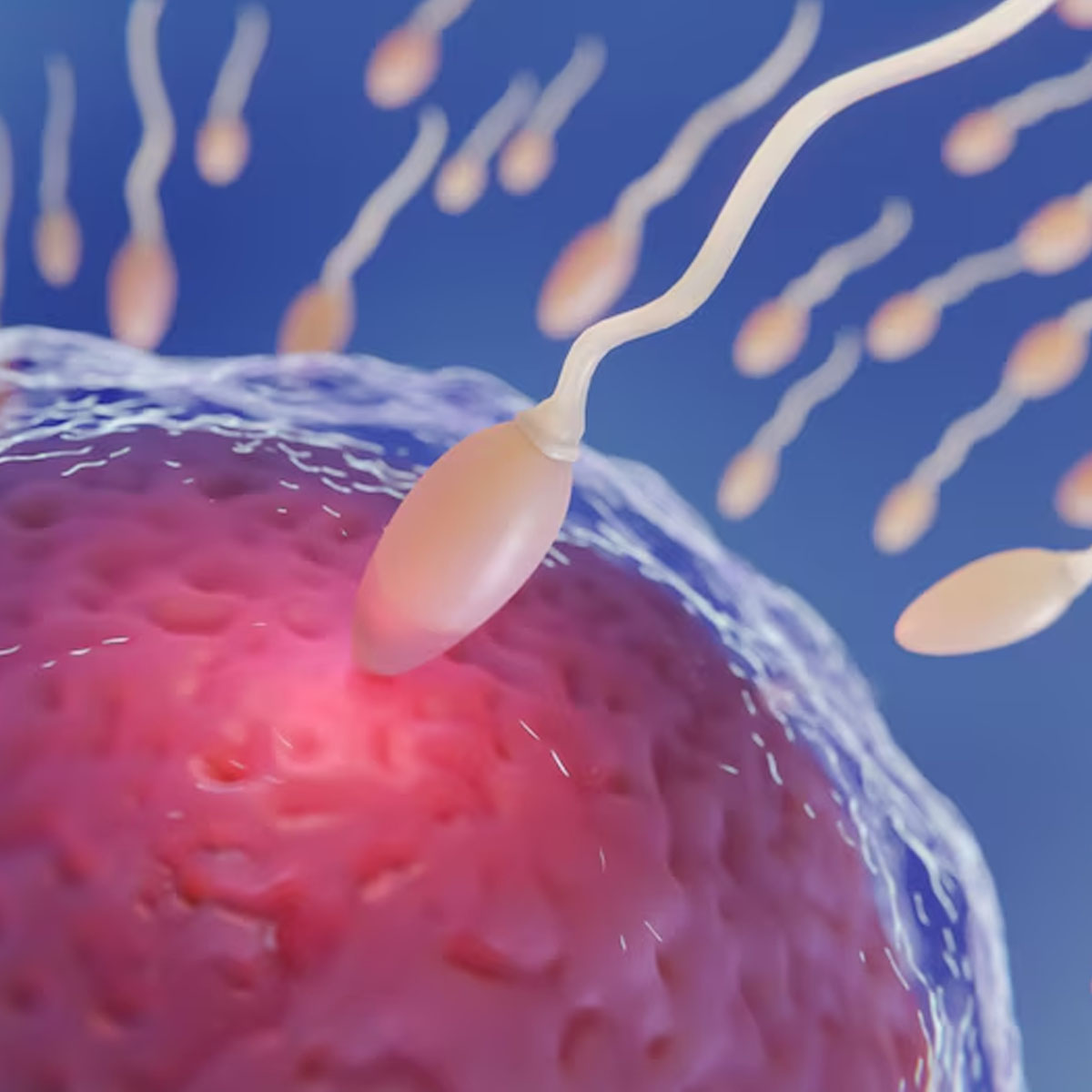
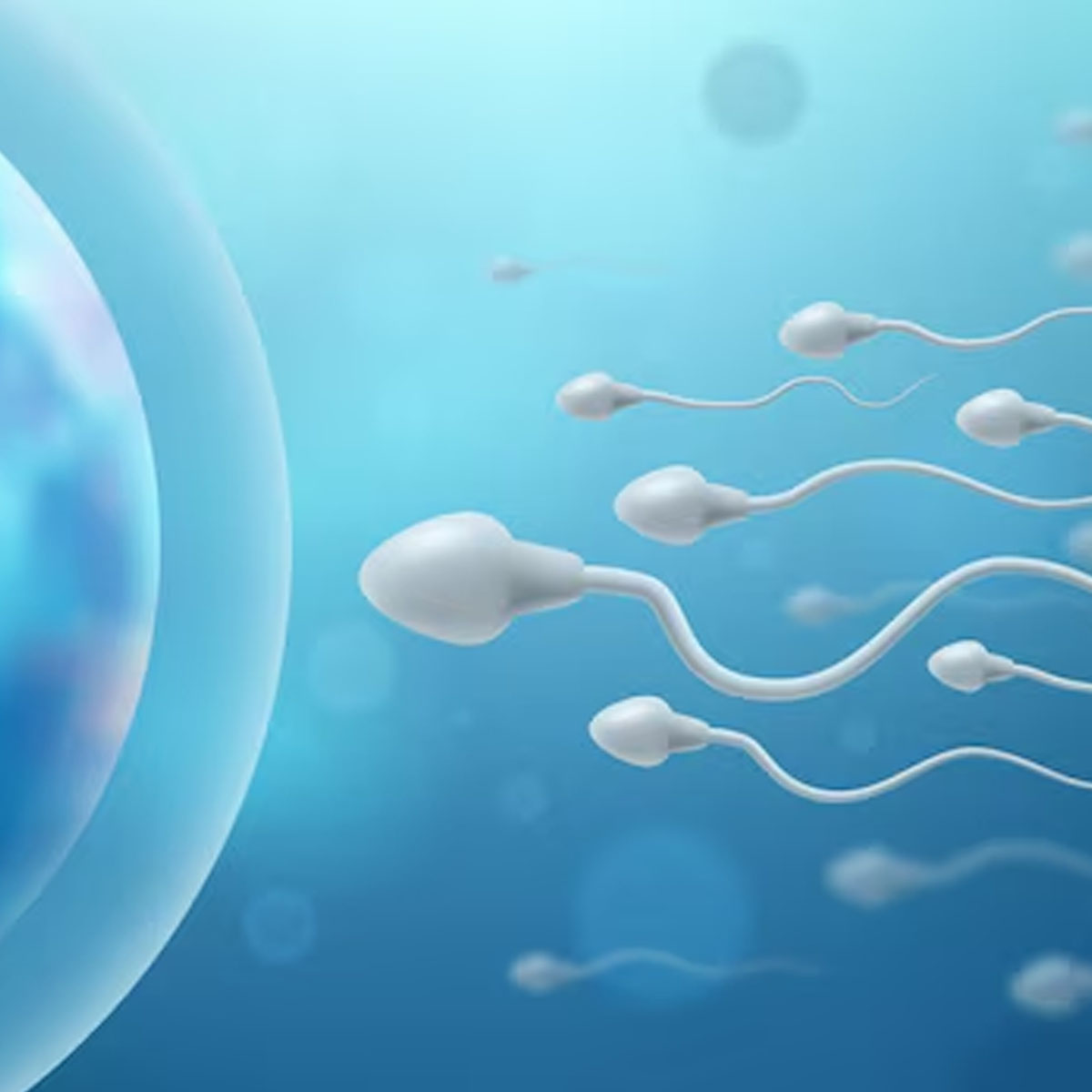
At the heart of this technology lies in vitro gametogenesis (IVG). The process begins with a tiny biopsy, often no larger than a pencil-tip, to obtain somatic cells such as fibroblasts. These cells are reprogrammed into induced pluripotent stem cells (iPSCs) using the celebrated Yamanaka factors. Once returned to this pluripotent state, they can embark on a carefully choreographed journey that mirrors the natural development of gametes. First come primordial germ cell-like cells, then the treacherous passage through meiosis, and finally the emergence of haploid gametes capable of fertilisation.
A successful IVG-derived sperm cell must deliver a complete paternal genome to an egg, while an IVG-derived oocyte must reset the genetic programme for the next generation. Both must avoid chromosomal errors and preserve the subtle epigenetic marks that guide early embryonic growth. Hard-won experience in mice shows the scale of that challenge: even under ideal conditions, only a small fraction of IVG-derived mouse embryos reach term. The gulf between proof of principle and dependable clinical tool remains wide, but every year that gulf narrows.
Fun Fact: A single gram of adult skin contains around ten million cells. In theory, that is enough starting material to create more than the total number of eggs a human ovary would produce across a lifetime.
Pluripotent Stem Cells: Choosing Between ESCs and iPSCs
Two sources of pluripotent stem cells vie for primacy: embryonic stem cells (ESCs) and iPSCs. ESCs, harvested from the inner cell mass of an early embryo, have long been the reference standard for versatility and stability. Their derivation, however, destroys a blastocyst and ignites enduring ethical controversy. They are also immunologically foreign to any patient, which means lifelong suppression of the immune system would be required if ESC-derived tissues were transplanted.
iPSCs, by contrast, are created from a patient's own tissue, thereby bypassing embryo destruction and eliminating the need for immune rejection. This leap earned Shinya Yamanaka a Nobel Prize and transformed regenerative medicine. In IVG the appeal is obvious: one day, a cancer survivor could bank a strip of skin before chemotherapy, then years later use those cells to generate healthy, genetically matched gametes. Yet iPSCs are not a free pass. Reprogramming stresses the genome, and culture expansion can accumulate mutations that might later appear in an embryo. Researchers are therefore advocating for "genome-friendly" protocols, rigorous screening, and international quality standards before any iPSC line is introduced into a fertility clinic.
Recreating the Gonadal Microenvironment
Gametes do not mature in isolation. Inside the body, developing sperm nestle among Sertoli cells, while growing oocytes converse chemically with granulosa cells inside fluid-filled follicles. This intimate partnership, known as the gonadal niche, supplies nutrients, hormones, and structural cues that laboratories must imitate.
Mouse studies have shown that a three-dimensional "ovarioid" or "testis-like" organoid, assembled from germ cell precursors and supporting somatic cells, can shepherd IVG cells through to functional maturity. Translating that success to humans is a different proposition. Human gametogenesis spans years rather than weeks, and the signals involved remain incompletely understood. Building a long-lived, fully human niche will demand biomaterials that allow gas exchange, microfluidic systems that deliver growth factors in pulses, and precise temporal control of hormones such as follicle-stimulating hormone and testosterone.
Failure to recreate the niche faithfully results in eggs and sperm with high levels of aneuploidy and erratic epigenetic marks. Solving this puzzle is widely regarded as the key scientific bottleneck that must be overcome before IVG can move beyond the research bench.
From Mouse Breakthroughs to Human Translation
The modern story of IVG began in mice, where Japanese teams led by Katsuhiko Hayashi and Mitinori Saitou completed the entire cycle from skin cell to healthy offspring. Their milestones included:
- Functional oocytes from skin cells (2016) that produced fertile pups
- Functional sperm from mouse PSCs (2021) that sired healthy litters
- Viable pups with two fathers (2023) after turning XY cells into eggs
These experiments electrified the public because they opened the door to same-sex reproduction. They also moved venture capitalists to invest millions in start-ups such as Conception and Gameto. Yet they are still mouse studies.
Human progress has been slower. Researchers can now generate human primordial germ cell-like cells with respectable efficiency. As of 2024, they have advanced those cells to the oogonia and prospermatogonia stages. The decisive move—guiding them through meiosis to yield mature, fertilisable gametes—remains elusive. Scientists speak of an "unfinished agenda", a reminder that biology sets its own timetable.
While the translation gap frustrates investors, it has a silver lining for science. Human IVG experiments are exposing unknowns in early development that were invisible in animal models, deepening understanding of infertility, miscarriage, and genetic disease. The knowledge dividend, irrespective of clinical timelines, is already considerable.
The Emerging Global Research Network
Leading laboratories are clustered in Japan, the United Kingdom, the United States, and Israel, but collaboration is increasingly international. The IVG Ethics and Policy Network brings researchers together with lawyers and patient advocates, while bodies such as the International Society for Stem Cell Research issue guidance to keep experiments within socially accepted boundaries.
Funding, meanwhile, is coming from both public grants and private investors who bet that regenerative medicine and next-generation fertility treatments will be lucrative. Their appetite for speed sometimes clashes with the caution of regulators who insist on long-term safety data before approving clinical trials.
The Safety Imperative for Lab-Grown Gametes
The road from elegant laboratory manuscripts to a healthy child begins and ends with safety. IVG must prove it can deliver gametes whose DNA sequence, chromosome count, and epigenetic marks match or exceed the standards already expected in conventional IVF. The first hurdle is the genetic counselling challenge. Reprogramming somatic cells into iPSCs introduces mutations at a higher rate than is seen in natural germ cells. Even when cultures pass early screening, errors can surface during the fraught process of meiosis. Mouse studies reveal a stubborn pattern: IVG eggs show far higher rates of aneuploidy than eggs collected from living ovaries, and embryos created from those eggs often arrest before implantation.
Epigenetic integrity is a more subtle problem. Genomic imprints—chemical flags that switch genes on or off depending on whether they come from the mother or father—reset during natural gametogenesis. Petri-dish environments may disrupt that reset, as history with IVF and ICSI has already hinted. Beckwith-Wiedemann and Angelman syndromes, rare but devastating disorders of imprinting, occur slightly more often in children conceived through assisted reproduction. Because IVG manipulates cells for far longer and through more radical transformations, regulators are demanding proof that imprinting errors will not spike.
Long-term animal follow-ups underscore the point. In the best-documented mouse experiment, only five per cent of embryos made with IVG eggs reached live birth, and those pups have yet to pass a full lifespan screen for metabolism, cancer risk, or neurodevelopment. Without multi-generational safety data, no major regulator will license human use, and few clinicians would volunteer to be first.
Regulatory Landscapes and Policy Divergence
Regulators face a delicate balancing act: protect citizens from harm while encouraging innovation that could ease infertility. The United Kingdom's Human Fertilisation and Embryology Authority is already consulting Parliament on a framework that would allow IVF to proceed once safety thresholds are met, rather than forcing a full legislative rewrite each time science advances. Japan allows research up to, but not including, fertilisation of IVG gametes, reflecting cultural caution.
The contrast with the United States is striking. A federal budget rider blocks the Food and Drug Administration from even reviewing any protocol that creates embryos with a heritable genetic change. Because IVG embryos would be made entirely outside gonads, they fall under that ban in the FDA's view. Fertility start-ups are therefore eyeing overseas clinics for early trials, raising the spectre of regulatory arbitrage in which the world's richest patients travel to less regulated jurisdictions for cutting-edge procedures.
Europe presents its usual mosaic. Germany's strict Embryo Protection Act bars embryo creation for research, while Spain and the Netherlands offer permissive environments. The absence of a unified EU stance complicates cross-border care and heightens pressure for the establishment of international norms. The International Society for Stem Cell Research now lists reproductive IVG as "currently prohibited" but invites periodic review as new data emerge.
Equity and Access at Stake
Even conventional IVF strains personal finances and public budgets. An IVG cycle will add cellular reprogramming, long culture periods, sophisticated organoid scaffolds, and whole-genome sequencing. Early estimates from private investors put a single cycle above £ 50,000, well beyond most household budgets. If National Health Service coverage proves unlikely in the short term, the technology risks entrenching a two-tier system in which wealthy clients enjoy cutting-edge options while everyone else relies on egg donation or adoption.
Reproductive equity advocates warn of a deeper divide. The abundance of embryos that IVG can produce will turbocharge Pre-implantation Genetic Testing. Clinics may market expanded panels for polygenic risk, appearance traits, or cognitive metrics. Parents who can pay will face subtle pressure to "curate" their future children, while those who cannot pay may be cast as negligent. Societies that already struggle with health inequalities could see a new axis of privilege based on conception method.
Surrogacy adds another layer. Male couples using IVG-derived eggs will still need a gestational carrier. Commercial surrogacy markets often rely on women in lower-income nations, and demand may surge if IVG becomes commonplace. Without proactive safeguards, equity concerns will migrate downstream to labour conditions for surrogates.
Commercial Race and Intellectual Property Questions
Venture capital is fuelling a surge of start-ups promising to bring regenerative medicine into the fertility sector. Berkeley-based Conception and New York's Gameto have raised tens of millions of dollars, each staking patents on culture media, organoid designs, and molecular cues that nudge stem cells along the germ-line path. No firm is attempting to patent the gamete itself, which would violate both US and European law. Instead, the aim is to own the process. Whoever controls the master recipe for reliable human IVG could charge licence fees to every clinic on earth. Critics fear a "toll-road" scenario in which a handful of companies dictate costs and access.
Public-private tension is growing. Universities depend on private money to scale up research, yet public funders insist on open science. Negotiating equitable licensing that rewards innovation without locking patients into monopoly pricing will be a policy test case for advanced reproductive tech.
Forecasting Clinical Timelines and Managing Expectations
Popular headlines often claim that artificial gametes are "just a few years away". For basic research, that is true: early-stage human germ cells are appearing in labs already. For clinical use, most cautious scientists expect at least a decade, and more likely two, before the first regulatory approvals. The checklist is daunting:
- Mature human gametes in vitro with efficiency comparable to natural gonads
- Prove genetic and epigenetic stability in extensive non-human primate trials
- Demonstrate healthy offspring over multiple generations
- Satisfy divergent national regulators that safety is on par with or better than IVF
- Build cost models that allow broad access rather than boutique service
Until those boxes are ticked, IVG will remain an experimental horizon rather than a clinic schedule.
Action Points for Stakeholders
Researchers should focus on mapping the human germ-line development pathway by pathway, publishing negative data alongside successes to speed collective learning. Robust, non-destructive assays for chromosome integrity and imprinting must become standard before any gamete reaches the fertility ward.
Clinicians need to prepare realistic counselling scripts. Patients facing cancer therapy, premature ovarian insufficiency, or azoospermia will ask about IVG. Honest timelines and risks will protect credibility and guard against exploitative offers abroad.
Regulators must consult broadly, legislate flexibly, and maintain a focus on fertility preservation as a public health good. Transparent criteria for first-in-human trials will keep the commercial drive in check while giving innovators a clear road to approval.
Industry leaders should adopt pricing models that scale down as techniques mature. Equity clauses in licensing deals, voluntary tiered pricing, or public-private partnerships can prevent IVG from becoming another example of medical advance widening the gap it aims to close.
In truth, the story of IVG is not about test tubes and pipettes. It is about how society balances hope against caution, opportunity against justice. Picture a vast library whose books detail every possible human life. Natural conception flips through a handful and picks one at random. Conventional IVF gives parents a slightly larger shelf. IVG, if mastered, will open entire wings of that library. Whether we wander those aisles wisely will define the next chapter of reproductive medicine.
When the winds rise, build windmills, not walls.